Hemudu Site
Introduction
The Hemudu Site is a significant archaeological location situated in Yuyao city, Zhejiang province, China. This site is recognized for offering profound insights into the Hemudu Culture, which flourished between 5000 and 3300 BC. The Hemudu Culture is renowned for its advanced agricultural practices, distinctive pottery, and intricate handicrafts. This archaeological site allows historians and archaeologists to understand the lifestyle and spiritual pursuits of people living in the lower reaches of the Yangtze River around 7,000 years ago. The Hemudu Site has become an essential part of understanding the Neolithic period in China and has been the subject of various exhibitions and academic studies to unravel its historical significance.
History and Discovery
The Hemudu Site was discovered in 1973 in Yuyao, Zhejiang province. Its discovery marked a significant milestone in the study of Neolithic cultures in China. Archaeological excavations at this site have been ongoing for over several decades, unveiling the daily lives and achievements of the Hemudu people. The site has provided a rich collection of artifacts that have been instrumental in reconstructing the social and economic life of this ancient culture. These findings have allowed researchers to explore the complexities of early agricultural societies in the region, highlighting the Hemudu Culture's contribution to the broader narrative of human development.
Archaeological Significance
The Hemudu Site is of immense archaeological significance due to the variety and uniqueness of its findings. It offers a window into the past, demonstrating the ingenuity and adaptability of the Hemudu people. The site has yielded numerous artifacts that reveal essential aspects of Hemudu society, including their agricultural practices, craftsmanship and daily life activities.
Excavation Findings
Excavations at the Hemudu Site have uncovered a plethora of rice remains, indicating the early use of rice cultivation by the Hemudu people. This discovery suggests that agriculture played a pivotal role in their society. In addition to rice remains, archaeologists have uncovered stilted wooden structures, which reflect the architectural ingenuity of the Hemudu people, allowing them to adapt to the wetland environment of the region. Pottery containing rice husk ash has also been found, which provides insights into the technological advancements of the time. These findings, along with exquisite handicrafts, form a comprehensive picture of the technological and cultural achievements of the Hemudu Culture.
Cultural Artifacts
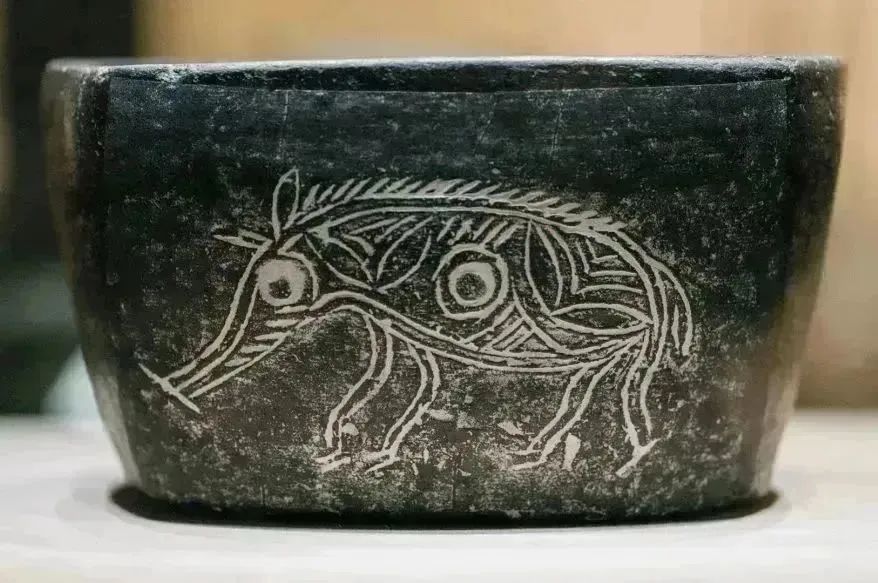
The artifacts discovered at the Hemudu Site include a range of pottery, tools and decorative items. The pottery is characterized by its unique designs and craftsmanship, often containing rice husk ash, which indicates an early form of pottery technology. The tools, primarily made from stone and bone, highlight the resourcefulness of the Hemudu people in utilizing available materials for various purposes. Decorative items, such as ornaments and carvings, reflect the artistic expression and cultural identity of the Hemudu Culture. These cultural artifacts provide crucial information on the social structure, beliefs and daily life of the Hemudu people.
Cultural Impact
The Hemudu Site has had a lasting impact on the understanding of Neolithic cultures in China. It has significantly contributed to the comprehension of agricultural development, technological advancements and cultural practices in ancient China.
The discoveries at the Hemudu Site have reshaped the understanding of Neolithic cultures in the region, illustrating the complexity and diversity of early societies. The advanced agricultural practices, including rice cultivation, highlight the Hemudu Culture's significant role in the development of agriculture in ancient China. Additionally, the unique artifacts and architectural structures found at the site have influenced subsequent studies on Neolithic cultures, providing a benchmark for evaluating other ancient societies in the region.








